Surprise Kitchen and Bathroom Remodeling Pros
(623) 294-8138
Aging-in-Place and Accessible Remodeling in Surprise Arizona
We provide
aging-in-place and accessible remodeling in Surprise, AZ for homeowners who want a safer, easier, and more comfortable home without giving up warmth or style. Our service is made for retirees, families caring for loved ones, homeowners planning ahead, and anyone who needs better bathroom access, safer movement, and practical updates for long-term daily living.
What Aging-in-Place and Accessible Remodeling Means
Aging-in-place and accessible remodeling helps a home work better as mobility, balance, vision, strength, and daily routines change. The goal is not to make a home feel clinical. The goal is to make normal tasks feel easier.
This kind of remodeling can include low-entry showers, grab bar support, slip-resistant flooring, wider paths, better lighting, comfort-height vanities, handheld showerheads, lever handles, shower benches, and easier storage.
Here’s the thing, the best time to plan for comfort is before the home becomes hard to use. A thoughtful remodel can help you stay in the place you know while reducing daily strain.

Additional Services That We Offer
When You Need Accessible Remodeling
You may need accessible remodeling if stepping into the shower feels risky, the bathroom feels tight, the vanity is hard to use, or the floor feels unsafe when wet. You may also need it if a loved one uses a walker, cane, wheelchair, shower chair, or needs help from a caregiver.
Look, most people notice small problems first. A towel bar gets used for balance. A tub wall feels too high. A dark hallway feels harder to walk through at night. These little signs matter.
Accessible remodeling can also be a smart choice before surgery, retirement, a parent moving in, or long-term home planning. It gives the home more flexibility before daily needs become urgent.
Why Homes Become Harder to Use Over Time
Homes become harder to use because people change, but the layout stays the same. A bathroom built years ago may have a high tub wall, narrow doorway, slippery floor, dim lighting, and storage that requires bending or reaching.
Water areas create extra risk. Wet tile, loose rugs, low toilets, and awkward shower entries can make a simple routine feel stressful. Poor lighting can make the problem worse, especially at night.
Honestly, most homes were not built with future comfort in mind. They were built for the day they were sold. Remodeling helps the home catch up with real life.
Accessible Remodeling vs Standard Remodeling
Standard remodeling often focuses on appearance, finishes, and resale appeal. Accessible remodeling focuses on use first. It asks better questions about movement, safety, reach, balance, and comfort.
That does not mean the space has to look plain. A low-entry shower can still look beautiful. Grab bars can match the fixtures. Better lighting can make the room feel warmer. Wider clearances can make the room feel more open.
Fair enough, some homeowners worry that accessible updates will make the house look medical. The thing is, good design can hide a lot of practical support in plain sight.
Aging-in-place Remodeling vs Emergency Modifications
Aging-in-place remodeling is planned. It looks at the home as a whole and builds comfort into the design before urgent needs take over. It can include bathroom, kitchen, flooring, lighting, and entry improvements.
Emergency modifications happen after a fall, surgery, illness, or sudden mobility change. They can help quickly, but they may feel pieced together if there is no larger plan.
Planning ahead gives you better choices. You can choose materials, layouts, colors, and features that fit your home instead of rushing to solve one problem.
Bathroom Updates for Safer Daily Routines
Bathrooms are one of the most important areas for aging-in-place design. They have water, hard surfaces, tight spaces, and daily movement between sitting, standing, bathing, and reaching.
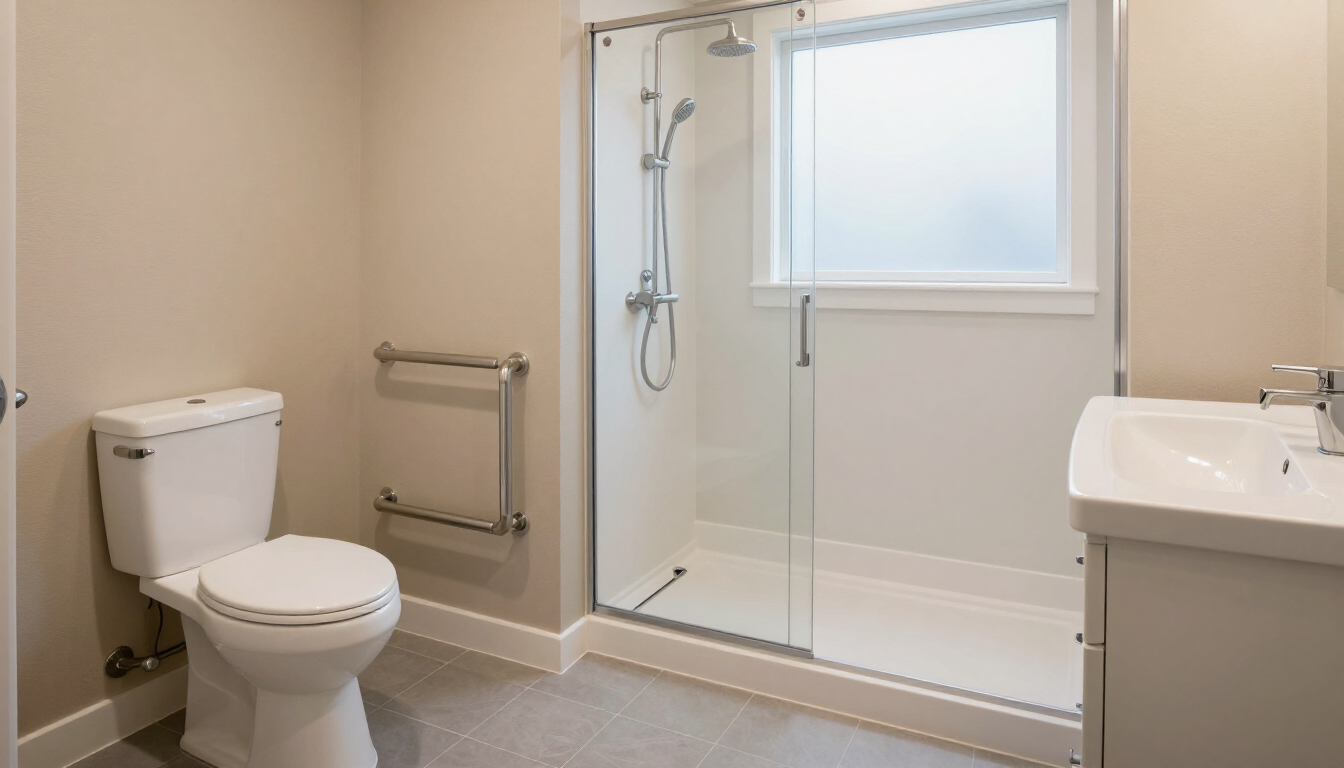
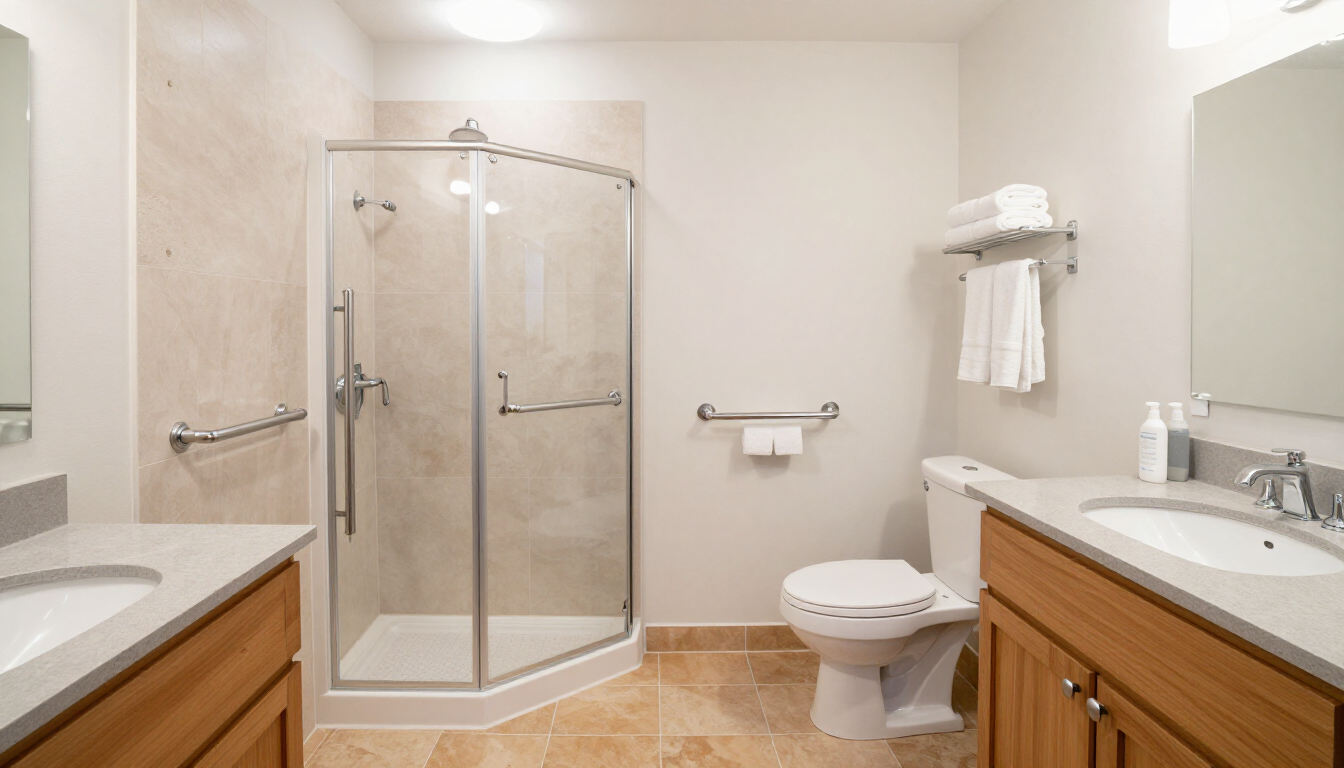
A safer bathroom may include a walk-in shower, lower entry, shower bench, handheld showerhead, grab bar backing, comfort-height toilet, better lighting, and slip-resistant flooring. Each feature should work with the user, not against them.
Can a bathroom feel safer without looking like a care facility?
Yes. The right materials, fixtures, and layout can make the space feel warm, personal, and easy to use.
Walk-in Showers and Low-Entry Bathing
Walk-in showers are a common part of accessible remodeling because they reduce the need to step over a high tub wall. A low-entry shower can help with balance and make bathing feel less stressful.
A good shower plan includes water control, drain placement, fixture height, storage, lighting, and seating if needed. The opening should make sense for the room and the person using it.
Some homeowners choose a glass panel for a brighter feel. Others prefer a curtain or wider opening for caregiver help. The best choice depends on the bathroom layout and daily needs.
Grab Bars and Wall Support
Grab bars are one of the most useful safety features in a bathroom. They can be placed near the toilet, inside the shower, near the shower entry, or beside a tub.
The wall behind the grab bar matters. A bar should be mounted into proper backing, not just placed where it looks convenient. During a remodel, wall support can be added before the finished surface goes in.
Grab bars do not need to stand out. Many styles now look like towel bars or match the rest of the bathroom hardware.
Flooring and Trip Hazard Planning
Flooring plays a big role in accessible remodeling. The right floor should reduce slipping, avoid sharp height changes, and feel comfortable underfoot. This matters in bathrooms, hallways, kitchens, laundry rooms, and main walking paths.
Loose rugs, raised thresholds, glossy tile, and uneven transitions can create problems. A remodel can reduce those hazards by choosing better materials and correcting height changes where possible.
It is like clearing a walkway in the dark. You may not think about every step, but your feet notice when the path feels safer.
Lighting, Switches, and Visibility
Lighting affects safety more than many homeowners expect. Dim rooms, shadowed corners, and poorly placed switches can make movement harder, especially at night.
Accessible remodeling can include brighter vanity lighting, shower lighting, motion lights, rocker switches, night lighting, and better fixture placement. Lighting should help with walking, bathing, grooming, and seeing floor changes.
Small lighting updates can make a home feel easier right away. They are often less dramatic than a shower remodel, but they help every day.
Doorways, Clear Space, and Movement
Doorways and clear floor space matter when someone uses a walker, cane, wheelchair, or needs help from another person. Tight turns can make the bathroom or bedroom harder to use.
A remodel may adjust door swings, widen openings where possible, improve bathroom entry, or create more floor space around fixtures. Pocket doors or outward-swinging doors can help in certain layouts.
The goal is to make movement feel less crowded. Not huge. Just easier.
Vanity, Toilet, and Storage Updates
Vanities, toilets, and storage should match the person using the room. A vanity that is too low, too deep, or hard to reach can make daily grooming harder.
Comfort-height vanities, easier drawer access, lever faucets, open knee space, and better storage placement can make a bathroom more useful. A comfort-height toilet can also help with sitting and standing.
Storage should not force people to reach high or bend low. Everyday items should live where they are easy to grab.
Our Aging-in-Place Remodeling Process
Our process starts with a walk-through of the home and a conversation about daily routines. We look at bathrooms, entry points, walking paths, lighting, storage, flooring, and the areas that already feel hard to use.
Next, we discuss priorities. Some homeowners need a safer shower first. Others need better lighting, grab bar support, vanity changes, or floor transitions. We build the plan around what matters most.
Then we help choose materials, fixtures, layouts, and support features that fit the home. The work is planned so the final space feels useful, comfortable, and natural to live in.
Frequently Asked Questions
What aging-in-place updates help Sun City Grand homeowners most?
Many Sun City Grand homeowners benefit from low-entry showers, grab bar support, handheld showerheads, comfort-height vanities, better lighting, and slip-resistant bathroom flooring. These updates can make daily routines feel easier without changing the whole home at once.
A planned remodel can also prepare the home for future needs. Adding wall backing for grab bars, improving shower access, and fixing floor transitions can help the home feel more comfortable over time.
Can accessible remodeling still look good in Marley Park homes?
Yes. Accessible remodeling can look warm, current, and personal in Marley Park homes. Many safety features now come in finishes that match modern bathroom hardware, tile, and cabinet styles.
The best designs blend support into the room. A low-entry shower, smart lighting, and a better vanity layout can feel like a design upgrade, not a medical change.
Should Rancho Gabriela families plan for multigenerational living?
Yes, many Rancho Gabriela families can benefit from planning for guests, parents, adult children, or relatives with changing mobility needs. A home does not need to be fully rebuilt to become easier for more people to use.
A guest bath with a low-entry shower, better lighting, and secure wall support can help. Clear pathways and safer flooring can also make daily movement easier for everyone.
What bathroom features work well near the White Tank Mountains?
Homes near the White Tank Mountains often work well with warm tile tones, slip-resistant flooring, low-entry showers, and fixtures that handle hard water better. These choices fit the desert setting and help the bathroom work better.
Dust and mineral marks can affect bathrooms over time. Choosing practical surfaces, good lighting, and easier shower layouts can make the space feel more manageable.
Can aging-in-place remodeling help homes near Surprise Stadium with guests?
Yes. Homes near Surprise Stadium often host family and friends during spring training season, and an easier guest bathroom can make visits more comfortable. A safer shower entry and better lighting can help visitors of many ages.
Guest-friendly updates do not need to be large. A comfort-height toilet, lever handle faucet, wall support for grab bars, and slip-resistant flooring can make the bathroom easier to use.
Is a walk-in shower better than a bathtub for Surprise Farms homeowners?
A walk-in shower is often better if the bathtub is rarely used or hard to step into. It can make bathing easier and reduce daily strain.
A bathtub may still be useful if children, pets, or guests need one. Many homeowners keep one tub in the home and convert another bath area to a walk-in shower.
How do I know which accessible remodeling updates to do first in Bell Pointe?
Start with the areas that feel risky or frustrating now. Bathrooms, shower entries, floor transitions, lighting, and doorways are common first steps in Bell Pointe homes.
A home review can help set priorities. The goal is to fix the highest-use trouble spots first, then plan future updates in a way that makes sense for the household.